
Why Do You Feel Off After Birth?
The pelvic floor goes through a lot during pregnancy and birth. Muscles stretch, tissues strain, and support changes in ways that are not always obvious right away. Even without tearing or complications, the area can feel weaker or less responsive. Pelvic floor recovery helps rebuild that support, so everyday movements feel more stable. Without attention, minor issues can last longer than expected.
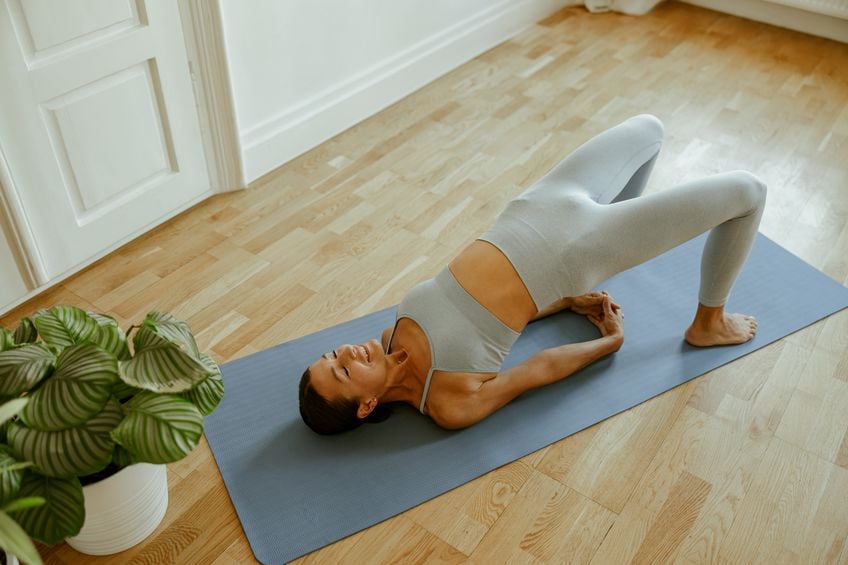
What supports your core
The pelvic floor supports the bladder, bowel, and uterus, and plays a role in core stability. Activities like standing up, lifting a baby, or even coughing rely on strong support from the pelvic floor. After birth, the muscles may not respond the same way, which can lead to leaking, pressure, or discomfort. Changes can show up during everyday moments, like laughing or getting out of bed.
Signs something is off
Leaks when sneezing, a heavy feeling in the pelvis, or discomfort during movement are all common after birth. Some people also notice pressure or a bulging sensation, especially later in the day. The signs are often brushed off, but the signs point to muscles that need support. Paying attention early can help prevent the symptoms from becoming long-term issues.
Start slower than expected
Early recovery is not about jumping into intense exercises. Gentle contractions, sometimes called pelvic floor squeezes, can help bring awareness back to the area. Even a few repetitions a day can help improve circulation and connection. Lying down to rest when possible can also reduce pressure on healing tissues, especially during the first few weeks.
Taking things easy
Rest plays a bigger role than many expect. Being upright all day, especially while carrying a baby, can add pressure to the pelvic floor. Taking time to lie down and reduce that pressure can help the area recover. Short periods of rest throughout the day can make a difference, even if longer breaks are not realistic.
Building strength over time
As the body heals, strength can be rebuilt gradually. Exercises can go from gentle contractions to more controlled movements that support the core and pelvic floor together. Progress may feel slow at first, especially when energy is low. Consistency tends to matter more than intensity during the initial stage.
Getting back to normal
Daily tasks like lifting a car seat, pushing a stroller, or getting up from the floor all rely on pelvic support. Without enough strength, the movements can feel harder or create strain. Rebuilding strength can make certain tasks feel more manageable again. Returning to higher-impact activity, like running or workouts, often takes more time.
When extra support helps
Pelvic floor physical therapy can provide guidance beyond basic exercises. A specialist can check how the muscles are working and suggest targeted ways to improve strength and coordination. Many people find relief once a plan is adjusted to match what the body needs. Support can make a noticeable difference when progress feels stalled.
Progress takes time
Recovery does not happen all at once, and progress can feel uneven. Certain symptoms improve quickly, while other symptoms take longer to settle. The slower pace can feel frustrating, especially during daily routines. Staying consistent with gentle movement and rest can support steady improvement. Gradual changes often build and become more noticeable over time.