
How Do You Make Shots Easier?
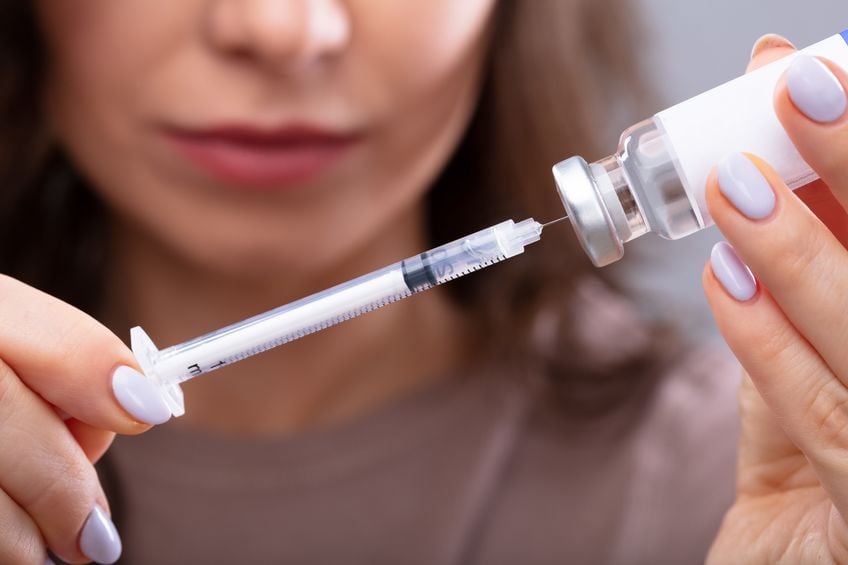
At-home fertility injections can feel intimidating at first. The idea of giving a shot without a nurse nearby can bring up nerves, hesitation, or second-guessing. With practice, the process often becomes more routine than expected. The first few attempts usually take the longest, especially when checking each step carefully. A few small adjustments can make each step feel more manageable and less stressful over time.
Set up for a smooth routine
A calm setup can make a big difference. Laying out supplies ahead of time helps avoid rushing or searching mid-process. Alcohol swabs, needles, medication, and a sharps container should all be within reach. Good lighting can also make each step easier and reduce mistakes. Many people find that using the same location and time each day helps build a steady routine. A consistent setup can lower stress before the injection even begins.
Prep makes a difference
Medication temperature can affect comfort more than expected. Taking medication out of the refrigerator ahead of time allows the drug to reach room temperature, which can reduce stinging during the injection. Setting a reminder can help keep timing consistent from day to day. Double-checking dosage before starting can also prevent last-minute uncertainty. Small preparation steps can make the process feel smoother and more predictable.
Making shots hurt less
Simple adjustments can make injections more comfortable. Applying a cold pack for several minutes before the injection can help numb the area slightly. For injections under the skin, gently pinching the area can help guide placement. For injections into muscle, warming the area beforehand can relax the muscle and reduce resistance. A steady, confident motion during insertion often feels easier than moving slowly. Comfort tends to improve once the technique becomes familiar.
Aftercare that helps recovery
Aftercare can affect how the area feels later in the day. Light pressure with gauze can help reduce irritation right after the injection. Light movement or a warm compress may support absorption, especially for thicker medications. Gentle massage can help disperse medication in certain cases. Wearing loose clothing can prevent added pressure or rubbing. Paying attention to aftercare can make repeat injections feel easier.
Prevent bruising and soreness
Using the same spot repeatedly can lead to soreness, bruising, or irritation. Rotating injection sites helps give each area time to recover between doses. Keeping a simple log or mental note of locations can make rotation easier over time. Spacing injections evenly across available areas can also reduce sensitivity. Proper disposal of needles in a sharps container keeps the process safe at home.
Staying calm during injections
Anxiety around injections is very common. Taking a few slow breaths before starting can help settle nerves. Distraction, such as music, a show, or conversation, can make the moment pass more quickly. A partner can assist with harder-to-reach injection sites or simply provide reassurance. Creating a small routine before each injection can help the process feel more controlled. Nerves often decrease once the first few injections are completed.
Building confidence over time
The process often feels easier after a few days of repetition. Familiar steps begin to replace hesitation, and timing becomes more natural. Small improvements, such as smoother injections or less discomfort, can build confidence quickly. Support from a care team or others going through treatment can also make a difference. Over time, the routine can start to feel manageable rather than overwhelming.