What Does Recovery Look Like After Birth?
Physical recovery after childbirth involves multiple sources of discomfort that vary by delivery type and feeding approach. Vaginal delivery can lead to perineal soreness, swelling, and tissue healing. Cesarean delivery introduces surgical incision pain, abdominal tenderness, and mobility limitations. Women who breastfeed may experience nipple irritation, engorgement, and uterine cramping triggered by oxytocin release. Hormonal shifts, sleep disruption, and physical strain further intensify pain perception during this sensitive time. This guide covers common causes of postpartum pain and preferred treatment options for women in the fourth trimester.
Preferred medications
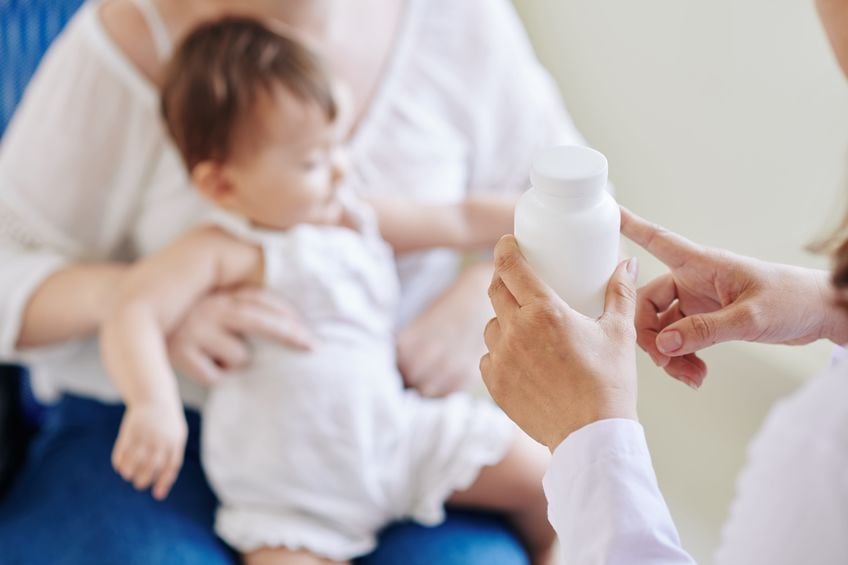
Non-opioid analgesics remain first-line therapy for postpartum pain control due to safety and effectiveness. Analgesics and antipyretics work quickly to reduce pain signals and fever. Most nonsteroidal anti-inflammatory drugs (NSAIDs) are another preferred option postpartum. This class of drugs targets inflammation and prostaglandin production, which helps address swelling and tissue injury. Both classes are generally compatible with breastfeeding when used appropriately, but patients should always double-check with a healthcare provider to be certain.
Steer clear
Certain medications should not be used during the fourth trimester. Opioids can increase the risk of sedation, constipation, and dependence, and should be avoided when possible. If an opioid is required, short-term use with close infant monitoring is recommended. While NSAIDs are preferred overall, salicylates within the class should be avoided if the woman is breastfeeding. This is because the medication has a theoretical risk of Reye’s syndrome, a rare but serious condition that can occur in babies given salicylates directly following a viral illness.
Smart pain control strategies
Effective postpartum pain management focuses on using the lowest effective dose to achieve functional comfort. Alternating an analgesic agent with an NSAID can provide complementary mechanisms and sustained relief. Scheduled intervals, rather than reactive dosing, help maintain consistent pain control during peak recovery days. Nonpharmacologic strategies add meaningful benefit, including ice packs for perineal swelling, abdominal binders for incision support, and warm compresses for muscle relaxation. Pelvic floor rest, gradual movement, and proper body mechanics reduce strain and prevent worsening discomfort during the postpartum period. Hydration and adequate nutrition also support tissue healing and overall recovery.
Addressing other sources of postpartum pain
Additional postpartum conditions can contribute to discomfort and require targeted management approaches during the fourth trimester. Hormonal changes, reduced mobility, and the use of certain medications can lead to constipation, a common problem in the postpartum period. Osmotic laxatives and stool softeners can ease bowel movements and prevent straining. De Quervain tenosynovitis, often called mommy wrist, can develop from repeatedly lifting the infant. Pain from this injury can benefit from topical NSAIDs and wrist support. Nipple pain from breastfeeding may respond to purified lanolin products and proper latch techniques. Hemorrhoids, muscle aches, and uterine cramping may also arise, each requiring specific supportive care strategies. Pharmacist guidance can help match symptoms with appropriate medications.
Strong recovery starts with support
Postpartum pain management requires a balanced, informed approach that prioritizes safety, effectiveness, and functional recovery. Non-opioid analgesics provide a reliable foundation, while supportive therapies and targeted treatments address additional sources of discomfort. Ongoing assessment ensures adjustments align with changing recovery needs. Collaboration with healthcare professionals, including pharmacists, strengthens confidence in medication use. A structured plan promotes comfort, healing, and a smoother transition into early parenthood.