When Will Movement Feel Possible Again?
The urge to get back into a routine can come on soon after birth, especially after weeks of limited movement. Postpartum recovery does not follow a set schedule. Energy levels, delivery type, and overall healing all play a role in when exercise after birth starts to feel manageable. Moving too quickly can slow recovery, while a gradual return can help rebuild strength without added strain.
The first few weeks
During the early phase, the focus is on rest and gentle movement. Short walks, light stretching, and simple breathing exercises are usually enough in the beginning stage. The body is still healing, even if everything feels fine on the surface. A large internal wound remains where the placenta was attached, which takes time to recover. Keeping movement light can support circulation without putting pressure on areas that are still healing.
Rebuilding basic strength
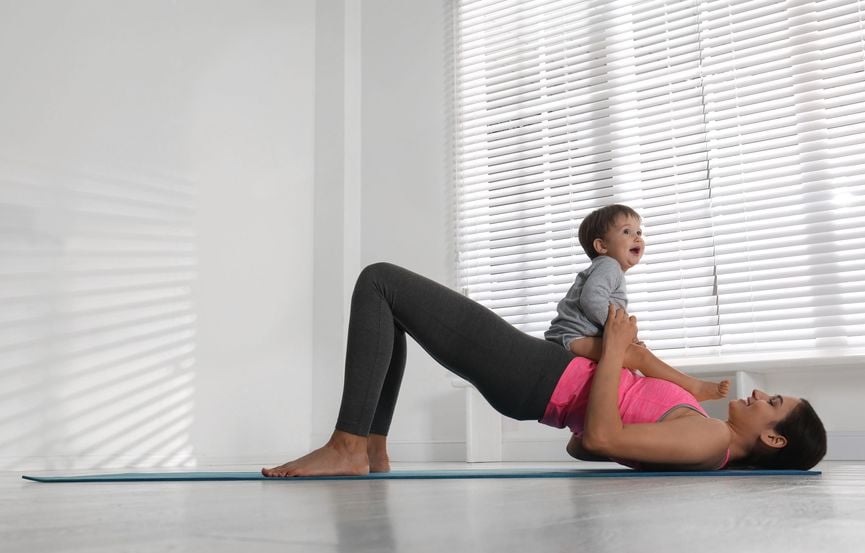
After the initial recovery period, movement can begin to feel more natural. Walking may become longer and more comfortable, and gentle pelvic floor exercises can help rebuild stability. The focus here is not intensity but reconnecting with muscles that have been stretched and weakened during pregnancy. Small, consistent efforts often feel better than pushing too far too soon.
Easing back into exercise
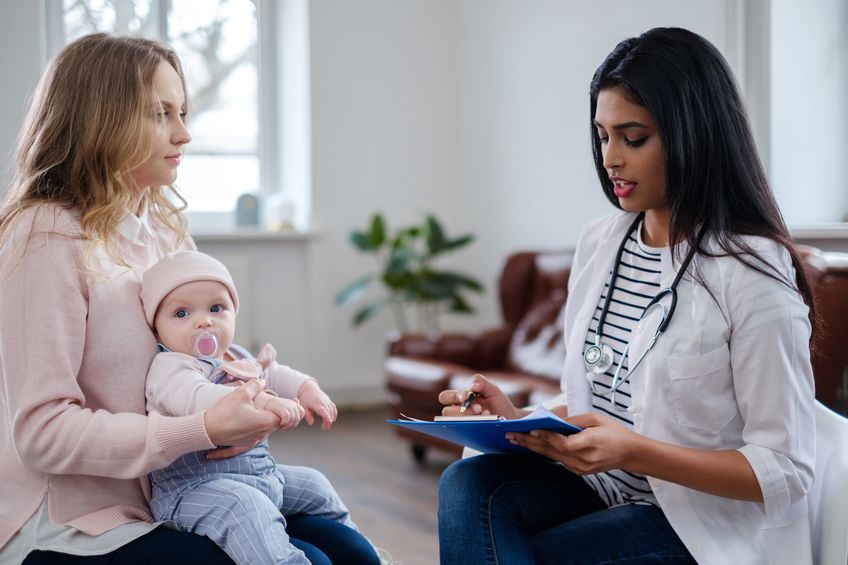
Once cleared by a provider, usually around the 6-week mark for many, low-impact workouts can start to come back in. Activities like postpartum yoga, light strength training, or swimming can help rebuild strength without placing too much stress on the body. Paying attention to how the body responds becomes more important than following a strict plan.
Returning to higher impact
More demanding workouts, including running or high-impact training, often take longer to reintroduce. Joints and ligaments can remain more flexible for months after birth, which increases the risk of injury. A gradual return with careful progression can help rebuild strength and stability before adding impact. Rushing can lead to setbacks that take longer to recover from.
Why recovery looks different
Recovery after birth does not follow the same timeline for everyone. Vaginal delivery, tearing, or a C-section can all affect how soon exercise starts to feel manageable. A C-section, in particular, requires more time since it is a major surgery. Paying attention to how healing progresses day to day can help lead to a gradual return to exercise.
Signs to slow down
Certain signals can point to doing too much too soon. Increased bleeding, pelvic pain, or a feeling of heaviness can all be signs to scale back. Discomfort that does not go away or worsens after activity is another cue to pause. Paying attention to worrisome changes can help prevent longer recovery setbacks.
Building a routine that lasts
Returning to exercise after birth is not about getting back quickly, but about building a routine that holds up over time. Small steps, consistent movement, and patience often work better than jumping into a full routine right away. Strength and confidence build gradually, which can make a return to more demanding workouts feel more manageable.